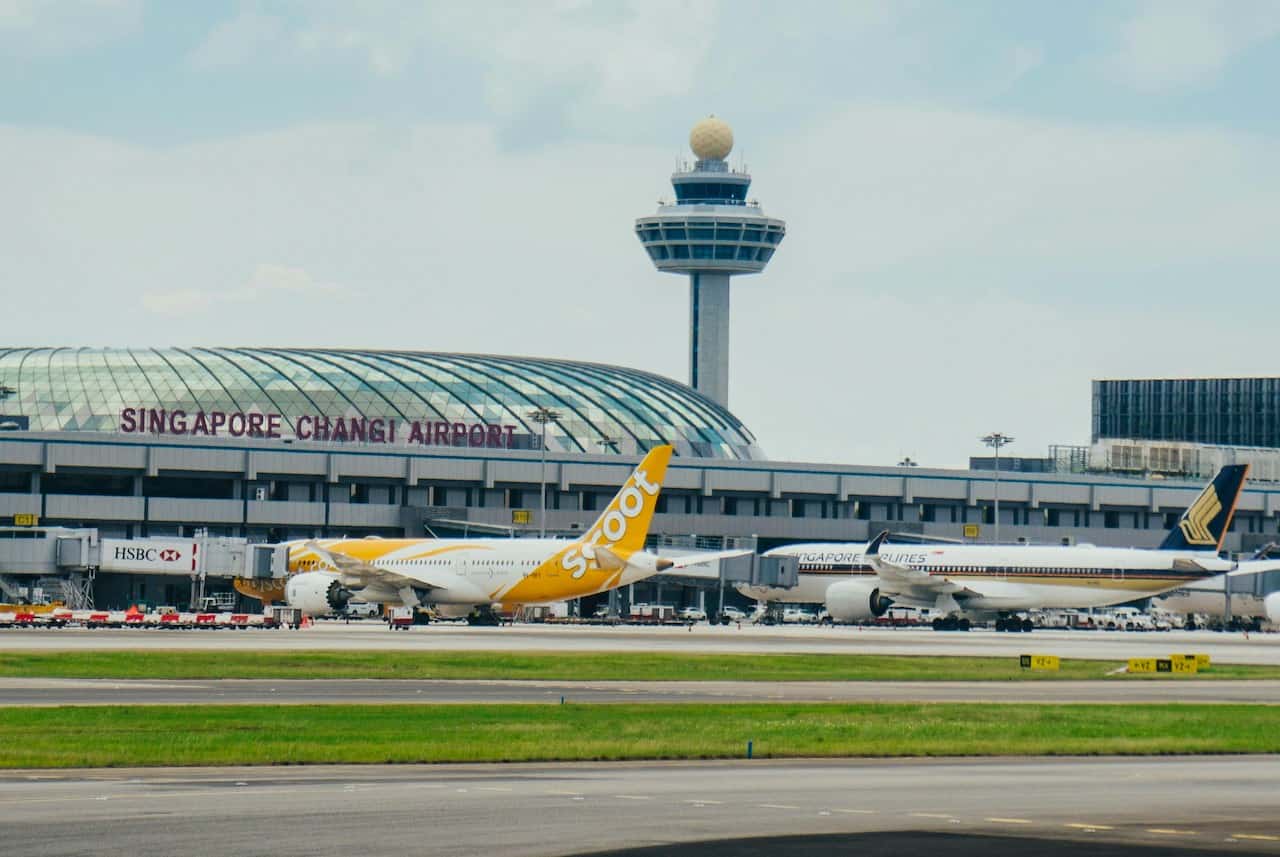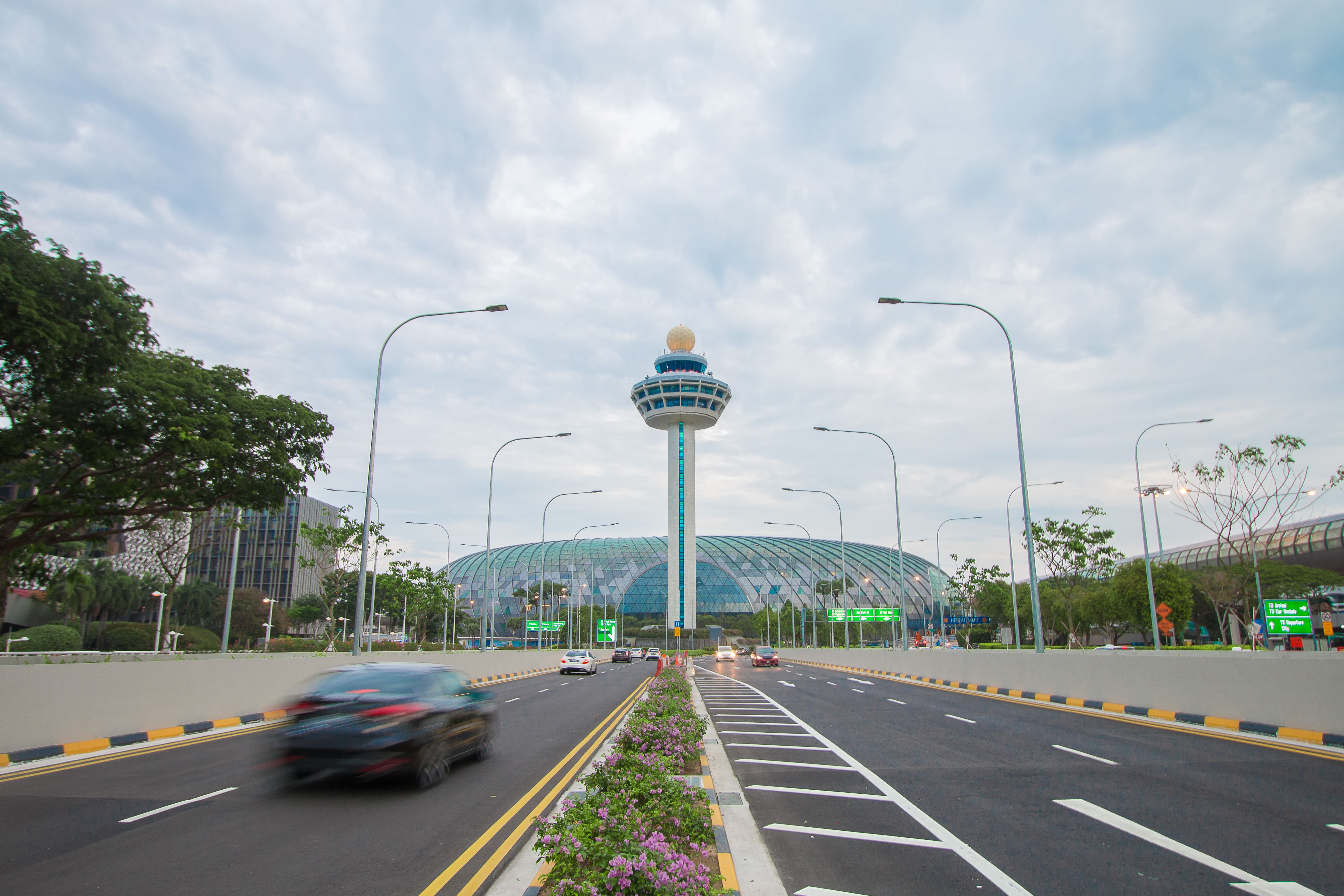
Singapore Changi Airport is not just a transit hub; it is a sprawling, 25-square-kilometer "city within an airport" situated on reclaimed land at the eastern tip of Singapore. Consistently ranked as the world's best, Changi's layout is meticulously designed in an inverted "U" shape, with the iconic Jewel complex at its center. Understanding this layout is essential for any traveler, as the airport currently operates four massive terminals, each with its own unique atmosphere and logistical requirements.
The Core Layout: Terminals 1, 2, and 3
Terminals 1, 2, and 3 are physically interconnected and form the primary cluster of the airport.
- Terminal 1 (The Heart): Operating since 1981, T1 is configured in an H-shaped layout to maximize aerobridge efficiency. It is home to major long-haul carriers like Qantas and Emirates. One of its most famous features is the Kinetic Rain sculpture, the world's largest of its kind, located in the Departure Hall.
- Terminal 2 (The Revamped Oasis): Recently reopened after an extensive makeover, T2 now features a swankier vibe with digital nature displays like the "Wonderfall" and "Dreamscape". It hosts regional airlines, including Scoot and selected Singapore Airlines flights.
- Terminal 3 (The Modern Hub): This terminal is known for its high ceilings, natural light, and the world’s first airport Butterfly Garden. It serves as the primary hub for Singapore Airlines’ long-haul routes.
Navigating these three terminals is highly efficient thanks to the Skytrain, an automated people-mover system that zips between them in just four minutes. These terminals are also walkable via air-conditioned link bridges, making it easy to explore various gardens and dining options.
To make your transition through these massive terminals even easier, we recommend ensuring your entry paperwork is perfect by utilizing our dedicated Singapore Arrival Card processing assistance.
Terminal 4: The Separate Building
A common pitfall for travelers is assuming all terminals are connected the same way. Terminal 4 is a separate building located away from the main T1-T3 complex. It was built on the site of the former Budget Terminal and is a two-story, high-tech facility utilizing the "FAST" (Fast And Seamless Travel) concept, including extensive self-service check-in and automated bag drops.
- How to reach T4: There is no Skytrain access to Terminal 4. You must take a free shuttle bus from T1 (Basement 1) or T3 (Basement 2), which runs 24 hours a day.
- Airlines at T4: It primarily serves regional and budget carriers such as AirAsia, Cathay Pacific, and Cebu Pacific.
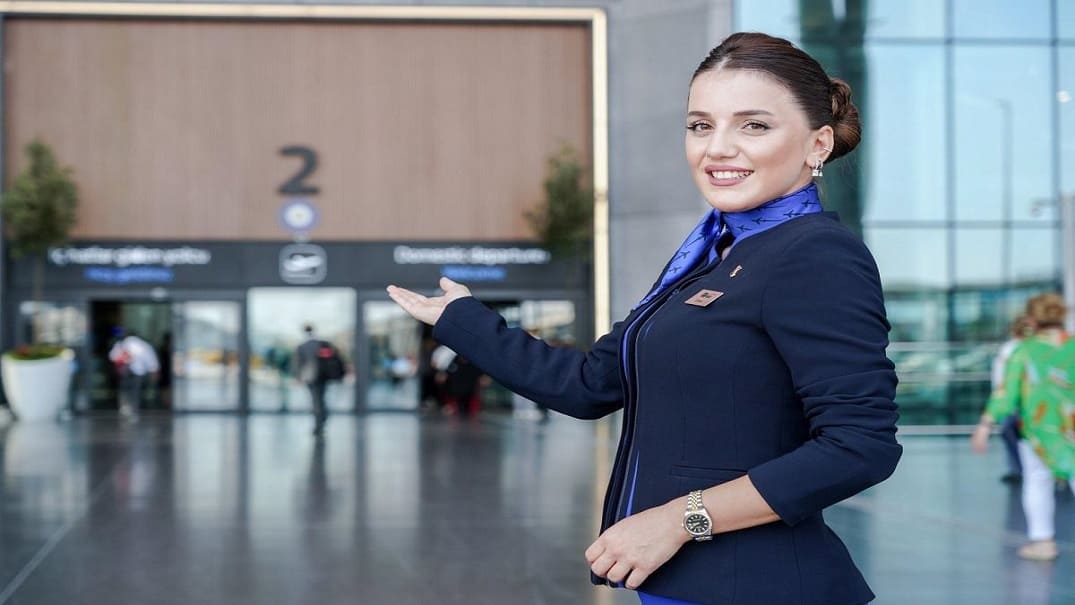
If you are traveling with heavy luggage or a large family and want to avoid the shuttle bus hassle, you can enjoy a VIP welcome with our premium terminal meeting and greeting solutions.
Jewel Changi Airport: The Iconic Centerpiece
Jewel is a 10-story multi-dimensional destination that connects the airport's three main terminals. Its centerpiece is the HSBC Rain Vortex, the world’s tallest indoor waterfall at 40 meters high.
- Connectivity: Jewel is directly connected to T1’s Arrival Hall and accessible from T2 and T3 via link bridges.
- What's Inside: It features over 280 retail and dining outlets, a 24/7 transit hotel (YOTELAIR), and the Shiseido Forest Valley. Note that Jewel is located in the public area, meaning you must clear immigration to visit it.
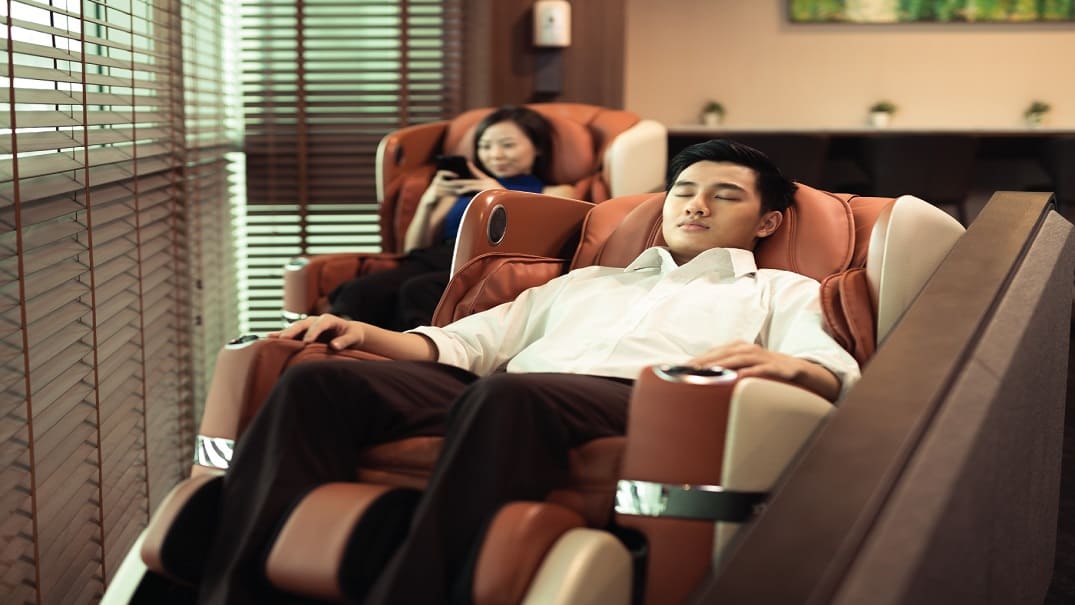
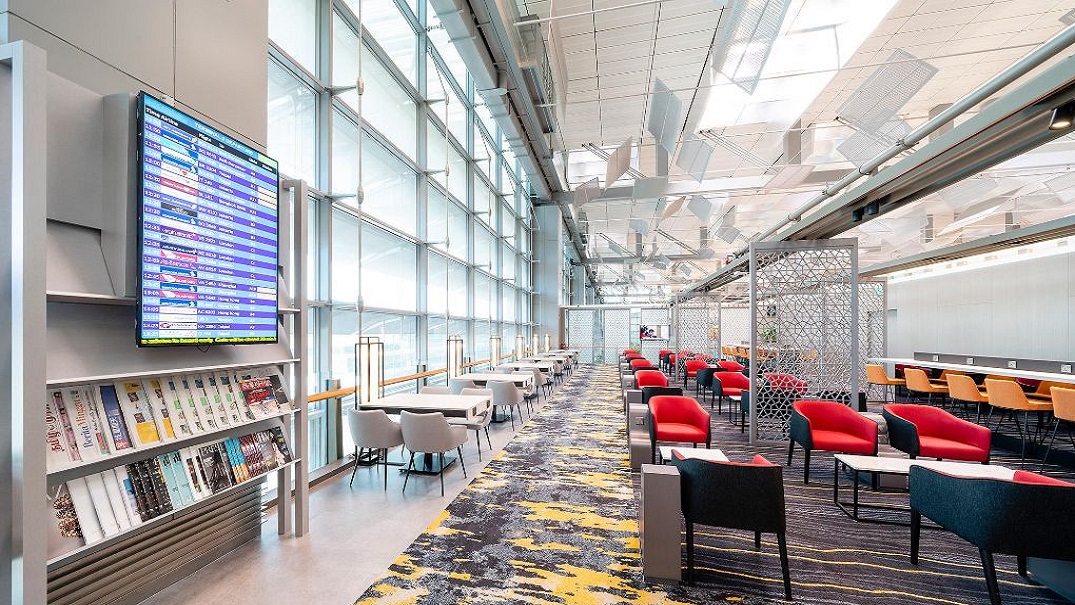
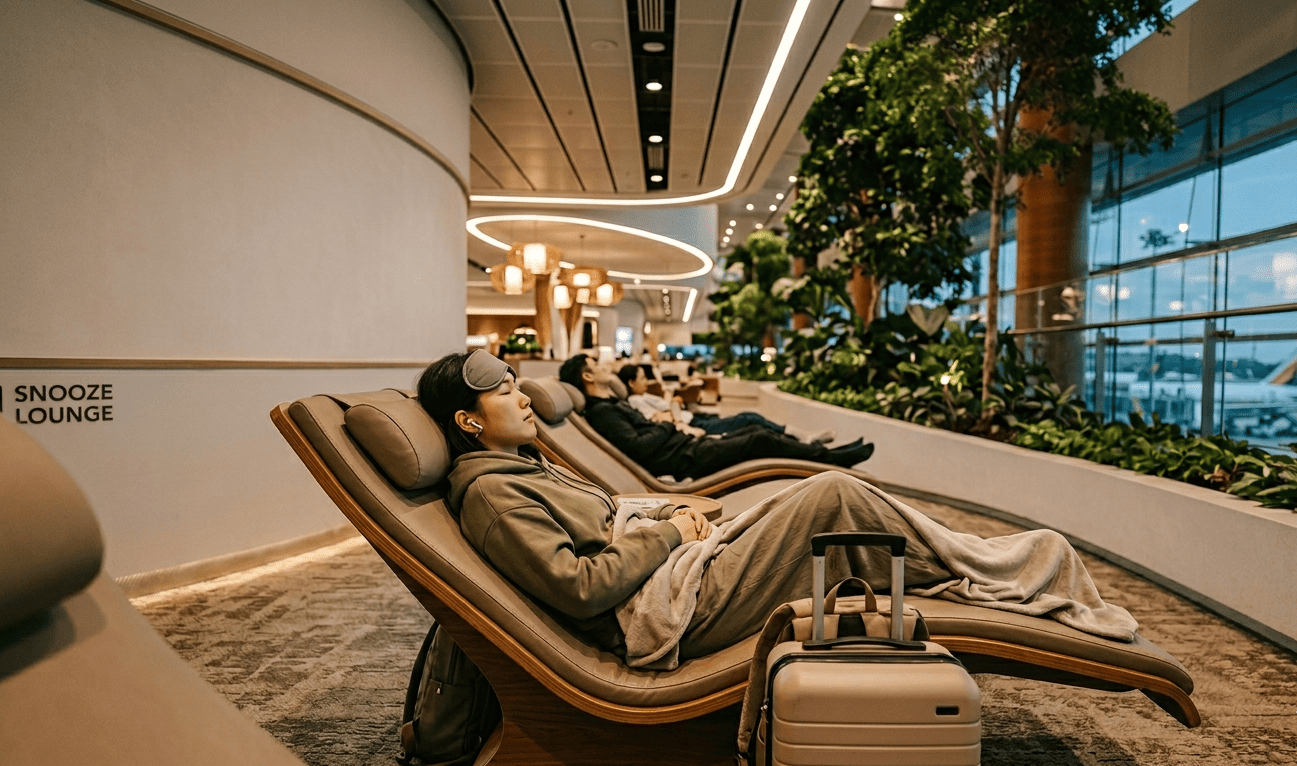
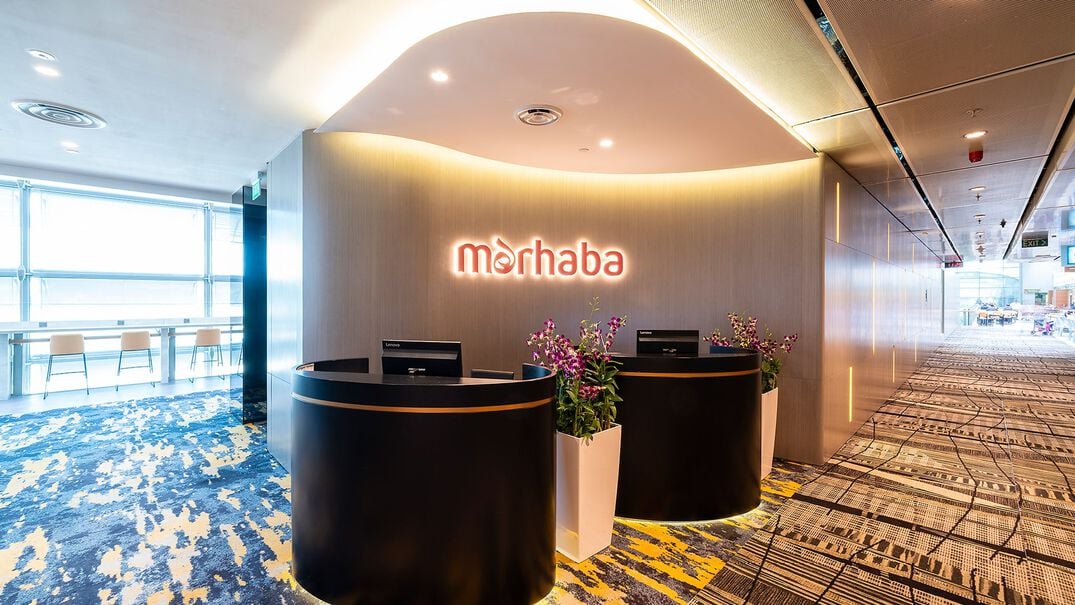
If you find yourself with a long layover at Jewel or just need a quiet place to work before your flight, escape the airport terminal bustle and relax in comfort by reserving your spot at a luxury Changi lounge here.
Essential Navigation and Entry Tips
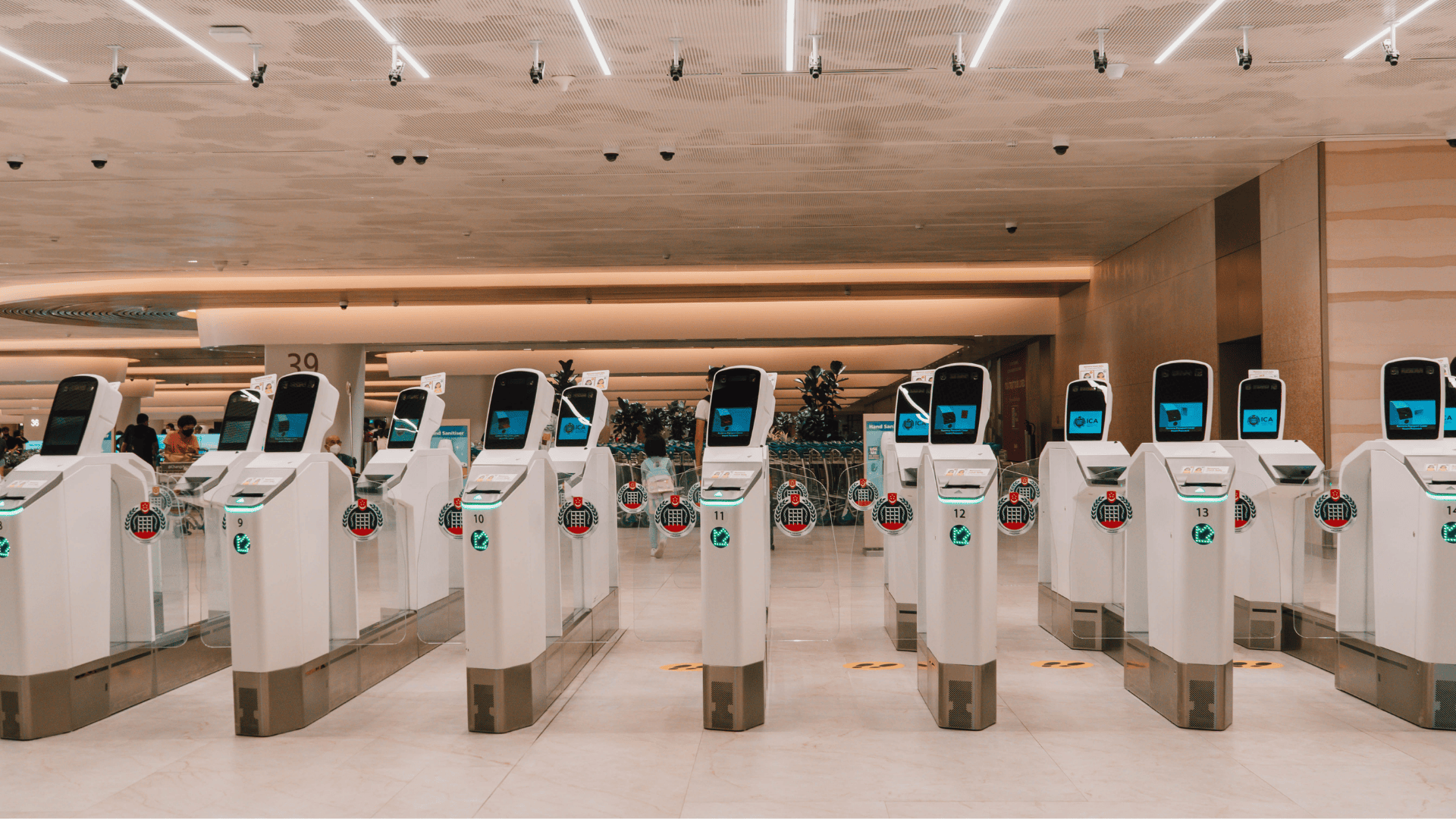
- Biometric Immigration: As of 2026, all travelers including first-time visitors can use automated immigration lanes at Changi. No prior enrollment is required; you simply scan your passport and provide biometric data.
- The SG Arrival Card (SGAC): This is a mandatory electronic health and arrival declaration that must be submitted within 3 days before arrival. It is not a visa, but failing to submit it can cause significant delays at the border.
- Moving Between Terminals: The Skytrain operates from 5:00 AM to 2:00 AM daily. Outside these hours, or if you are heading to T4, use the 24-hour shuttle buses.
The Future of Changi: Terminal 5 and Changi East The narrative of Changi’s layout is incomplete without looking toward its massive expansion: Terminal 5. Scheduled for completion in the mid-2030s, T5 is being built on 1,080 hectares of reclaimed land in the Changi East district. This terminal alone is expected to handle 50 million passengers annually, nearly doubling Changi's current capacity. Unlike the current terminals, T5 is designed with a "modular" approach to be more resilient to future pandemics, featuring enhanced ventilation and flexible spaces that can be partitioned. Logistically, it will be an integrated part of the airport, connected via 18 kilometers of tunnels for baggage and passenger transit. Furthermore, the surrounding Changi East Urban District will emerge as a major business and lifestyle hub, featuring office spaces and leisure facilities that further blur the line between a transportation hub and a global city-center. This expansion ensures that Changi’s layout will continue to lead the aviation industry for decades to come.
Biophilic Design: Why Changi Layout Feels Like a Park One of the most striking aspects of Changi’s architectural layout is its commitment to "biophilic design"—the integration of nature into the built environment. The airport’s designers utilize vertical green walls and pair pitched skylights (like T3's "butterfly wings") to channel natural daylight deep into the terminal concourses. This isn't just for aesthetics; these green spaces serve as a visual and thermal buffer, regulating heat and improving air quality. With over ten themed gardens spread across the transit areas, the layout is designed to reduce passenger stress and enhance well-being. From the tranquility of the Enchanted Garden in T2 with its motion-sensor nature sounds to the rooftop Cactus Garden in T1, the layout encourages travelers to step away from the traditional "holding pen" feel of an airport gate. This seamless blend of high-tech operational efficiency and lush tropical flora is what defines the "Changi Experience" and remains a benchmark for airport designs worldwide.
FAQ: Navigating Changi Airport
- Can I walk between all the terminals? You can walk between T1, T2, and T3, but T4 is a separate building reachable only by bus.
- How long does it take to transfer between terminals? The Skytrain takes about 4 minutes. The T4 shuttle bus takes approximately 10 to 18 minutes depending on the terminal.
- Is Jewel Changi Airport located before or after immigration? Jewel is in the public area. You must clear immigration and enter Singapore to visit it.
- Does the Skytrain go to Terminal 4? No, the Skytrain only connects T1, T2, and T3.
- What is the "FAST" concept at Terminal 4? It stands for Fast And Seamless Travel, focusing on self-service check-in, automated bag drops, and biometric boarding.
- Are there gardens in every terminal? Yes! T1 has the Cactus Garden, T2 the Sunflower Garden, T3 the Butterfly Garden, and T4 features "Steel in Bloom".
- Can I use the automated immigration gates if it’s my first time in Singapore? Yes, all foreign visitors are now eligible for automated clearance without prior enrollment.
- Where is the MRT (Train) station located? The station is in the basement of T2 and T3.
- What happens if I have a flight at T4 but I am at Jewel? You need to allow extra time to take the shuttle bus from T1/Jewel to T4, which can take up to 20-30 minutes during peak times.