Your Complete Arrival and Entry Guide to Changi Airport
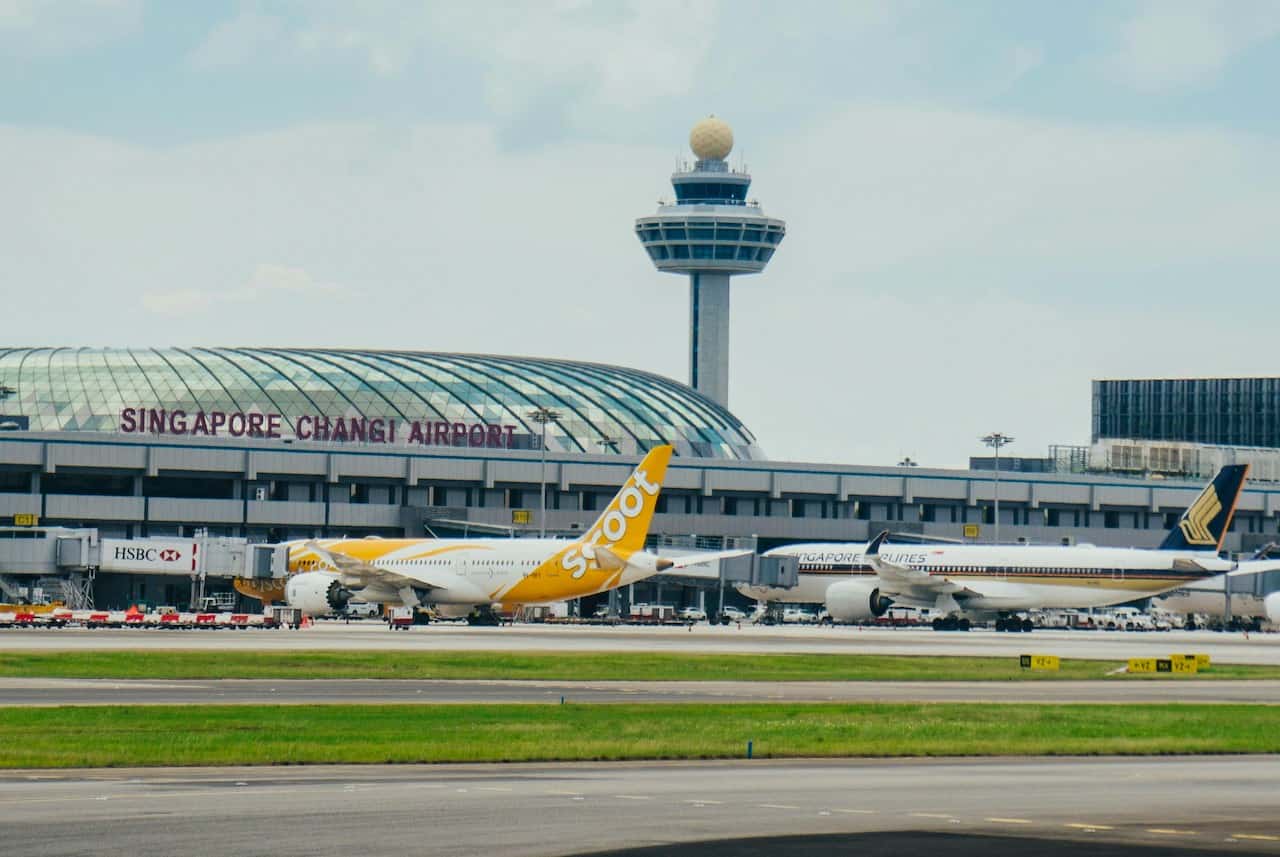
Singapore Changi Airport is consistently ranked as one of the best in the world, and for good reason. Its arrival process is designed to be efficient, high-tech, and welcoming. Whether you are a first-time visitor or a frequent traveler, understanding the steps from disembarkation to heading into the city will ensure your trip starts on the right note.
1. Pre-Arrival: The Essential SG Arrival Card (SGAC)
The most critical step in your journey happens before you even board your flight. The old paper "white card" has been entirely discontinued since 2020. Today, almost all travelers including foreign visitors and long-term pass holders must submit an electronic health declaration via the SG Arrival Card (SGAC).
- Timing is Key: You must submit your SGAC within three days before your arrival (including the day of landing). For instance, if you arrive on April 10, you can submit it starting from April 8.
- What You Need: Prepare your passport details, flight information, and the address of your accommodation in Singapore.
- Accuracy Matters: Typos in your passport number or name are the most common reasons for delays at the immigration counter. Ensure your details match your passport exactly.
To ensure your digital declaration is handled professionally and without errors, you can book our Singapore Arrival Card assistance service here.
2. Navigating the Terminals
Upon landing, you will find that Changi Airport is exceptionally well-signposted in English. The airport currently operates four main terminals. Terminals 1, 2, and 3 are physically connected and accessible via the Skytrain, which is a free service running from 5:00 AM to 2:00 AM.
If you arrive at Terminal 4, you will need to take a shuttle bus to reach the other terminals or the MRT station. Public shuttle buses run 24 hours a day, with frequencies varying between 10 to 31 minutes depending on the time.
If you prefer a seamless transition from your gate to your next destination without navigating the crowds, consider our Meet and Greet services for a personalized welcome.
3. Clearing Immigration: The Future of Biometrics
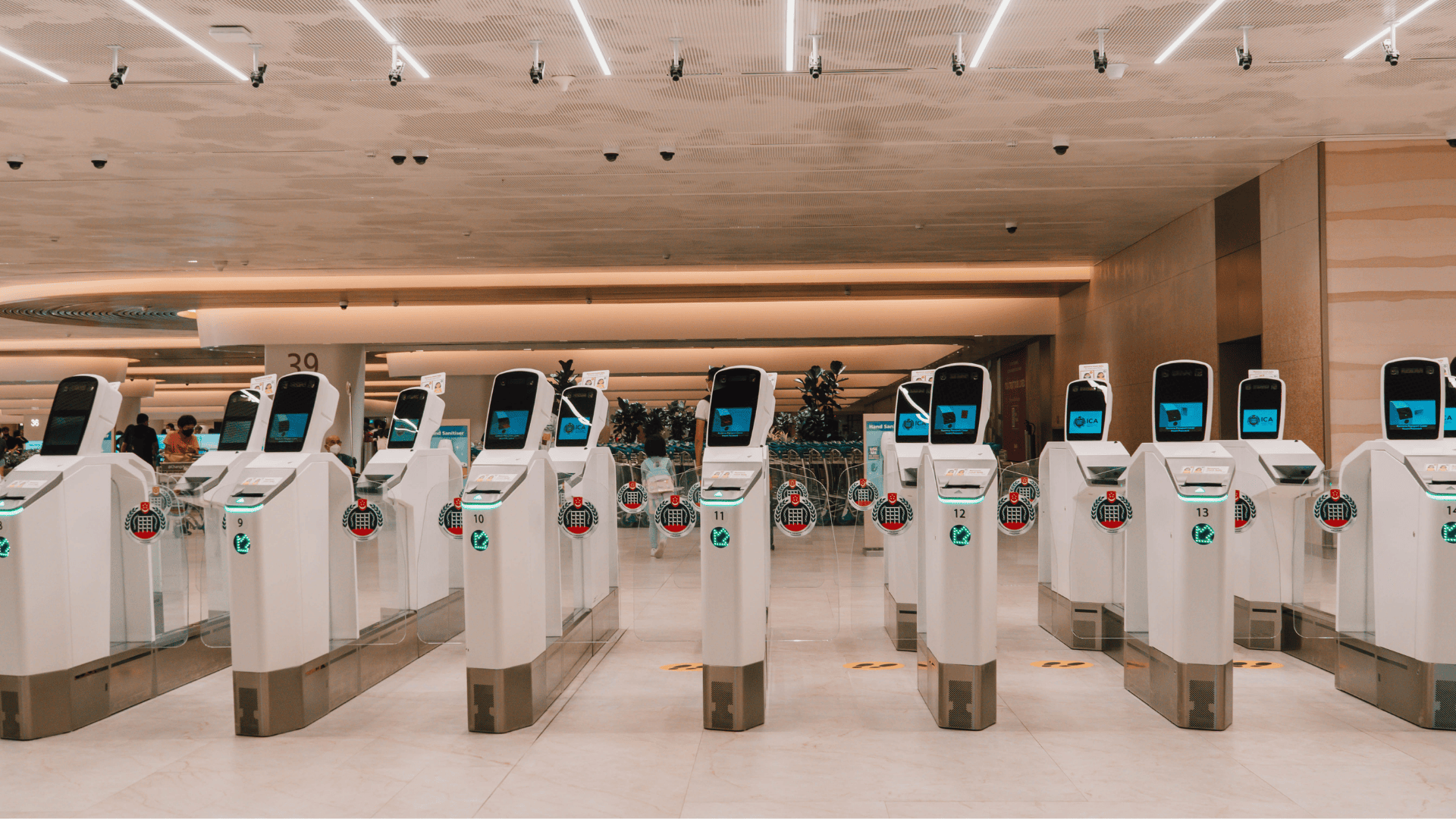
Singapore has revolutionized its border control with the Automated Clearance System. As of 2026, all foreign visitors, including first-time arrivals, are eligible to use automated lanes. No prior enrollment is required.
- The Process: You simply scan your passport (which must be valid for at least six months) and provide biometric data such as your face, iris, or fingerprints.
- Digital Visit Pass: Instead of a physical stamp in your passport, you will receive an e-Pass via the email address provided in your SGAC. This confirms your allowed duration of stay.
- Manual Counters: While automated lanes are the standard, manual counters are still available for those who need assistance or are randomly selected for brief interviews.
4. Baggage Claim and Customs
After clearing immigration, follow the signs to the baggage claim hall. Large screens will display your flight number and the corresponding carousel. Changi offers a Baggage Tracker feature via its app for peace of mind.
Once you have your luggage, you must pass through the Dual-Channel System:
- Green Channel: Use this if you have no goods to declare.
- Red Channel: You must enter here if you are carrying dutiable, controlled, or prohibited goods.
Important Regulations:
- Prohibited Items: Chewing gum, e-cigarettes (and imitation tobacco), and controlled drugs are strictly prohibited in Singapore.
- Duty-Free Alcohol: Travelers aged 18 and above (arriving from places other than Malaysia) have specific allowances, such as 1 liter of spirits and 1 liter of wine.
5. Post-Arrival Services: Staying Connected and Relaxed
Before you head into the city, you may want to handle a few essentials:
- SIM Cards: You can purchase tourist SIM cards from providers like Singtel, StarHub, and M1 at "Changi Recommends" booths or convenience stores like Cheers and 7-Eleven. Prices start around S$12 for generous data packages.
- Currency Exchange: Money changers are available in the arrival halls of every terminal. You can also find automated currency exchange machines that accept various currencies.
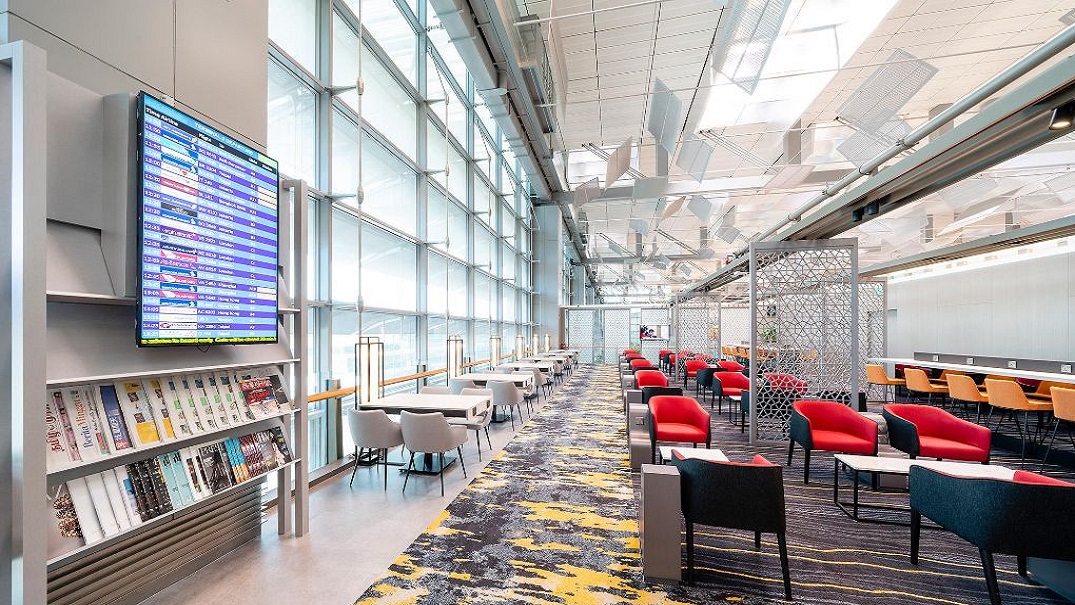
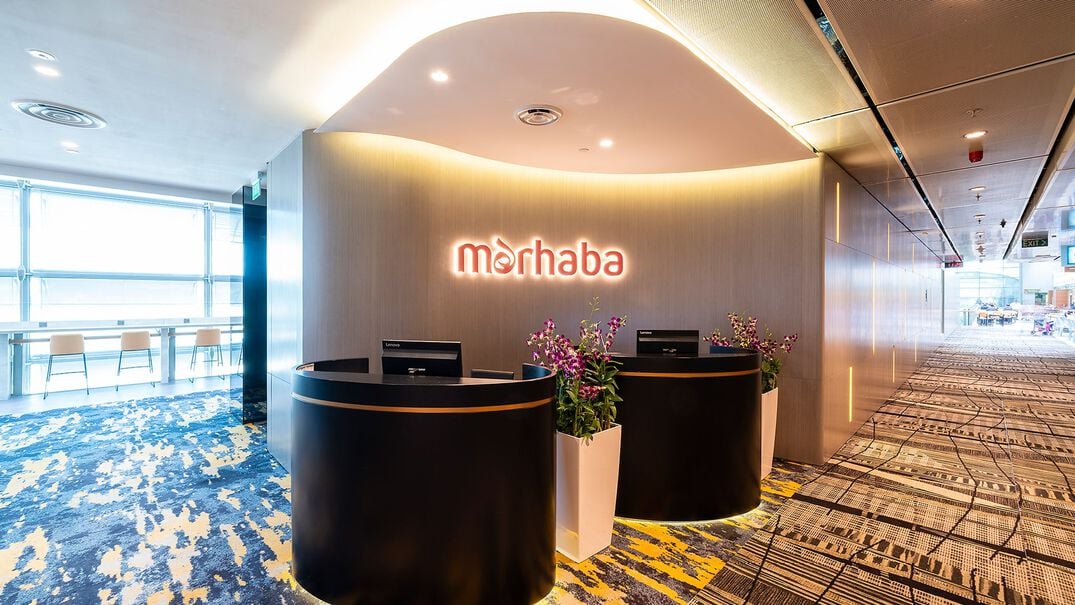
If you have a long wait for your hotel check-in or simply want to refresh after a long flight, you can book your Lounge Access here to enjoy premium facilities and refreshments.
6. Getting to the City
Changi offers several transportation options to suit different budgets and needs:
- MRT (Train): The most cost-effective option (approx. S$2). The station is located in the basement of Terminal 2 and Terminal 3.
- Taxis and Grab: Taxis are available 24/7 at designated stands. Alternatively, you can use the Grab app to book a ride-hailing service. Expect to pay between S$18 and S$45 depending on the time and distance.
- Private Transfers: For a zero-stress, door-to-door experience especially for families or those with heavy luggage pre-booked private transfers are highly recommended.
The Evolution of the "Changi Experience" and Security Integration
The architectural and operational evolution of Singapore Changi Airport is a testament to its commitment to staying ahead of global travel demands, a journey that began with the strategic move from Paya Lebar Airport in 1981. Since its inception, Changi has moved beyond being a mere functional waypoint, transforming instead into a "theatre of experience" where passenger comfort is prioritized alongside world-class efficiency. This culture of excellence is supported by a "ONE Changi" family of over 50,000 employees and 200 organizations working in unison to deliver seamless service. A cornerstone of this experience is the airport's unique approach to security, which varies significantly between terminals to accommodate different passenger flows. In the legacy Terminals 1, 2, and 3, security screening is traditionally decentralized, taking place at the individual boarding gates. While this model ensures rigorous checks at the final point of boarding, it requires passengers to manage their time carefully after browsing the extensive duty-free shops and gardens, as they must pass through screening before entering the gate-hold room. In contrast, Terminal 4 (T4) represents a "bold move" toward a centralized security model that serves as a test bed for the future Terminal 5. Located right after departure immigration, T4’s centralized screening utilizes advanced Computed Tomography (CT) technology. This allows travelers to keep electronics like laptops and tablets inside their bags, greatly reducing divestment stress and speeding up the overall process. This efficiency is further bolstered by the Fast and Seamless Travel (FAST) system, utilizing automated kiosks for check-in and bag drop that ensure a smooth journey from the kerbside to the aircraft. Ultimately, Changi integrates high-tech hardware with "heartware," ensuring that even mandatory safety protocols contribute to a journey that is both secure and positively surprising.
Navigating Global Safety Standards and Prohibited Items
Maintaining the safety of millions of travelers requires strict adherence to security protocols that address both global threats and technical hazards. The Liquid, Aerosol, and Gel (LAG) restrictions, for instance, were implemented worldwide following a 2006 attempt to use liquid explosives on aircraft. At Changi, the definition of LAGs is broad, encompassing items like perfumes, shower gels, mascara, hair sprays, and even canned foods with liquid content. All such items in carry-on luggage must be in containers of 100ml or less, and all containers must fit into a single, transparent, 1-litre re-sealable plastic bag. Security staff are strictly required to reject containers larger than 100ml, even if they are nearly empty, as the limit is based on the container’s stated capacity. Beyond liquids, the airport is introducing critical updates to battery safety. Starting April 15, 2026, all departing passengers are limited to carrying a maximum of two power banks per person, which must be kept in hand luggage. Lithium batteries are classified as dangerous goods because they can overheat or short-circuit, posing a fire risk that is particularly hazardous in the cargo hold. Passengers are even encouraged to protect battery terminals using original packaging or tape to prevent accidental short circuits during the flight. Additionally, Changi enforces a comprehensive list of prohibited items, ranging from firearm replicas and toys to sharp objects like scissors with blades over 6cm, and hazardous materials such as flares, strong chemicals, or pepper sprays. While duty-free purchases exceeding 100ml are protected by Sealed Tamper-Evident Bags (STEBs), travelers transiting to the United States or Australia must verify destination-specific rules, as secondary screening at those ports may not recognize certain bags. Understanding these rules is vital, as non-compliance can lead to seizure, fines, or prosecution under Singapore’s strict safety regulations.
FAQ: Frequently Asked Questions
- Is the SG Arrival Card (SGAC) a visa? No, it is a mandatory digital health and arrival declaration. If your nationality requires a visa, you must apply for that separately.
- Can I fill out the SGAC after I land? While self-service kiosks are available at the airport, it is strongly recommended to complete it before boarding your flight to avoid delays.
- Do I need an SGAC if I am just transiting? If you are transiting without clearing immigration, you do not need to submit the SGAC.
- Can first-time visitors use the automated immigration lanes? Yes, all travelers, including first-time visitors, can use the automated lanes as of 2026.
- Can I bring chewing gum into Singapore? No, chewing gum is listed as a prohibited item.
- What happens if I forget to declare an item? If you are found with undeclared dutiable or prohibited goods in the Green Channel, you may face fines or prosecution.
- Where can I find the MRT station? The MRT station is located in the basement of Terminal 2 and is also accessible from Terminal 3.
- Are e-cigarettes allowed in Singapore? No, e-cigarettes and imitation tobacco products are prohibited.
- How long does it take to get to the city by train? The MRT journey to the city centre typically takes between 30 to 45 minutes.