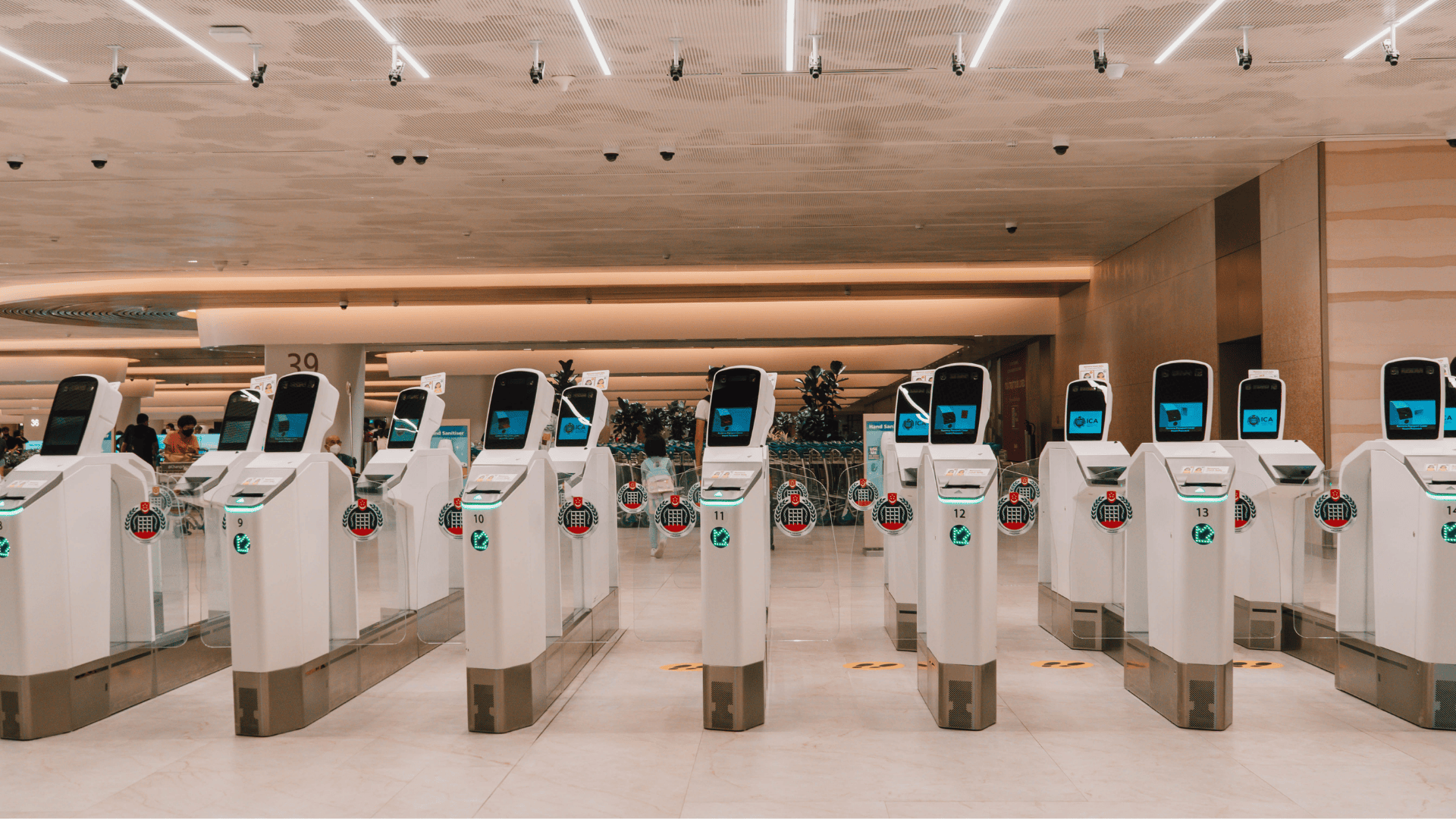
Changi Airport is globally recognized for its commitment to passenger efficiency, and the evolution of its immigration processes has transformed the concept of "Fast Track" into a seamless standard for nearly every traveler. Historically, expedited clearance was reserved for diplomats or those with premium airline tickets, but the Immigration & Checkpoints Authority (ICA) of Singapore has implemented a New Clearance Concept (NCC) that leverages cutting-edge technology to prioritize speed for the masses. Central to this initiative is the Automated Clearance Initiative (ACI), which allows eligible foreign visitors, including those visiting Singapore for the first time, to use automated lanes for immigration without the need for any prior enrollment. These lanes use multi-modal biometric technology, capturing iris, facial, and fingerprint images to authenticate identities in seconds, significantly reducing the physical space and manpower required compared to traditional manual counters. By early 2024, it was expected that approximately 95% of all arrivals at Changi would be cleared through these automated systems, making the airport experience one of the fastest in the world.
While technology has standardized speed, there are still specific programs designed for frequent visitors and business travelers that offer even more direct paths through the checkpoint. The Frequent Traveller Programme (FTP) is a prime example, designed for individuals who have visited Singapore at least twice within the last 24 months. Once enrolled, these travelers are treated like local residents, gaining access to automated lanes typically marked for Singapore citizens, which can be a significant advantage during peak arrival windows when several international flights land simultaneously. Similarly, holders of the APEC Business Travel Card (ABTC) enjoy expedited immigration clearance through designated lanes. Under the latest updates to Changi's protocols, ABTC holders are also eligible to use the automated biometric lanes, further integrating high-value business travel with the airport’s technological infrastructure.
Despite the efficiency of the automated lanes, the foundation of a "fast track" experience actually begins before the passenger even boards their flight. All travelers, with very few exceptions, are required to submit a digital Singapore Arrival Card (SGAC) within three days of their arrival in the city-state. This digital declaration, which replaced the old paper-based disembarkation cards, includes personal details, travel information, and a mandatory health declaration. Failing to complete this form in advance is one of the most common reasons for delays at the immigration hall, as passengers without a valid submission must use self-service kiosks at the airport before they can proceed to the clearance lanes. Ensuring this document is correctly filled out, with passport numbers and arrival dates matching the travel documents exactly, is the most effective way for any traveler to ensure they can utilize the automated "fast track" lanes upon landing.
For those seeking the pinnacle of luxury and an entirely private immigration experience, Changi offers the JetQuay CIP Terminal. Located next to Terminal 2, this elite facility operates as a private terminal separate from the main passenger halls. Travelers who book premium services like the "Quayside" or "Jetside" packages receive specialized treatment that includes being met at the aircraft gate and whisked away in an electric buggy to a private facility. Within JetQuay, passengers undergo immigration and customs clearance at dedicated, in-house counters, away from the standard airport crowds. This service is particularly valued by celebrities, high-net-worth individuals, and business executives who prioritize privacy and personalized assistance over the standard automated processes. Even for those not using a private terminal, the complexity of Changi’s four massive terminals can make navigating the "fast track" options daunting. Experience a seamless airport journey by booking a personal escort service at singaporeairportservices.com to guide you through Changi's terminals and immigration.
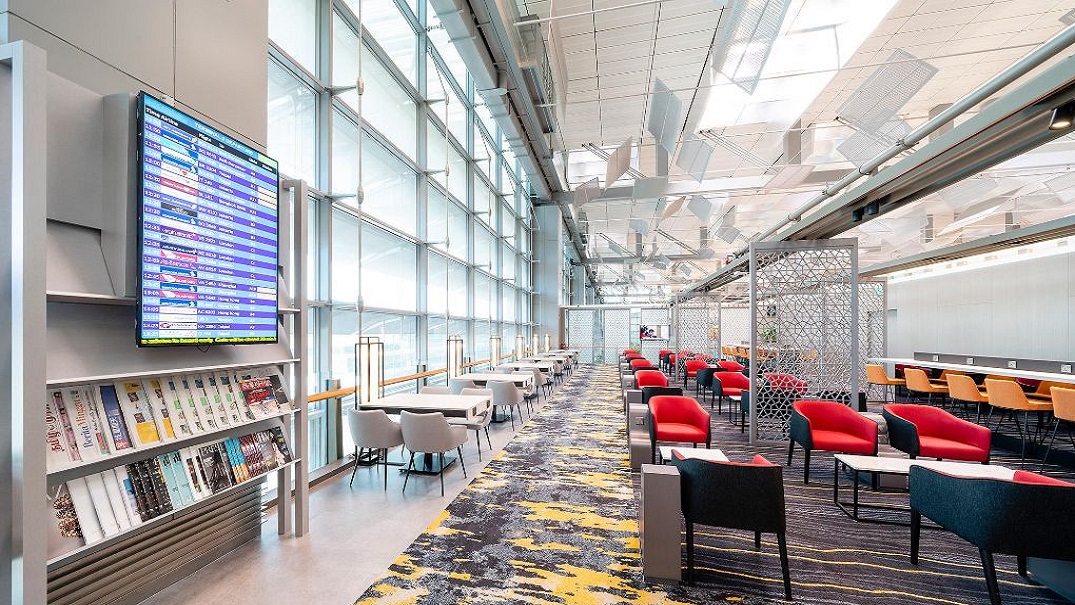
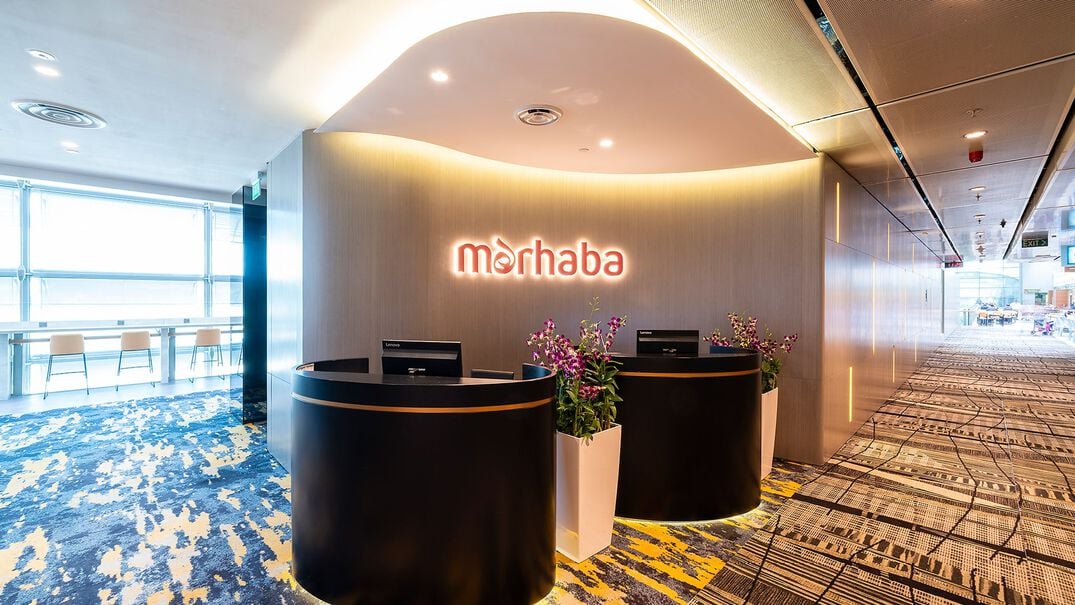
The physical layout of the airport also plays a role in how quickly one can move through the arrival process. Terminals 1, 2, and 3 are physically interconnected and served by the Changi Airport Skytrain, which facilitates quick transfers for transit passengers. Terminal 4, however, is a separate building that requires a shuttle bus for access, meaning travelers arriving there must factor in an additional 10 to 18 minutes for terminal transfers. Regardless of the terminal, the goal of the modern Changi experience is to minimize the "passport control hurdle". Once immigration is cleared, passengers find themselves in world-class arrival halls with immediate access to transportation and the iconic Jewel complex. For transit passengers who have cleared immigration to see the sights or those with a long wait for their next flight, the ability to retreat to a quiet environment is the final piece of the travel puzzle. Secure your spot in a luxurious sanctuary by reserving your pay-per-use lounge pass in advance through singaporeairportservices.com.
Looking toward the future, Singapore is continuing to tighten its "upstream" security measures to ensure that the arrival process remains fast for legitimate travelers. Starting in 2026, the ICA will implement No-Boarding Directives (NBD), which use advance passenger information to identify individuals who do not meet entry requirements before they even board their flights to Singapore. This ensures that only those eligible for entry reach the immigration counters, preventing bottlenecks caused by ineligible travelers being turned back at the border. This proactive approach, combined with the continued expansion of automated lanes to cover nearly every nationality, ensures that Singapore Changi Airport remains at the forefront of global aviation by making "fast track" immigration the norm rather than the exception. Whether through the use of a simple biometric scan or the luxury of a private escort, the Changi experience is designed to get you from the airplane to the city with unparalleled speed and ease.
Frequently Asked Questions (FAQ)
1. Who is eligible to use the automated immigration lanes at Changi Airport? Most foreign visitors, including first-time travelers to Singapore, are eligible to use the automated lanes if they hold a machine-readable, ICAO-compliant passport.
2. Is there a fee to use the automated "fast track" lanes? No, the use of automated biometric lanes for immigration clearance at Changi Airport is free for all eligible travelers.
3. Do I need to register in advance to use the automated lanes? No prior enrollment is required for foreign visitors; your biometrics (iris, facial, and fingerprints) are automatically enrolled during your first arrival clearance.
4. What is the Singapore Arrival Card (SGAC)? It is a mandatory digital pre-arrival form that collects your travel and health details. It must be submitted by all travelers within three days before arriving in Singapore.
5. Can I use the automated lanes if I am an APEC Business Travel Card (ABTC) holder? Yes, ABTC holders are now included in the eligibility list for automated biometric clearance at Singapore checkpoints.
6. What is the Frequent Traveller Programme (FTP)? The FTP is a program for travelers who have visited Singapore at least twice in the last 24 months, allowing them to use automated lanes marked for Singapore citizens.
7. Is the Skytrain available for transfers between all terminals? The Skytrain only connects Terminals 1, 2, and 3. Transfers to and from Terminal 4 must be done via a complimentary shuttle bus.
8. Do I need to clear immigration if I am just transiting through Changi? If you stay within the transit area and your bags are tagged through to your final destination, you generally do not need to clear immigration. However, visiting Jewel requires clearing immigration.
9. What happens if I forget to submit my SG Arrival Card before landing? You will be required to fill it out at self-service kiosks near the immigration hall, which can cause significant delays in your clearance process.
10. What are the common mistakes that cause delays at immigration? The most frequent issues include typos in the passport number on the SG Arrival Card, names not matching the passport exactly, and using the wrong arrival date.