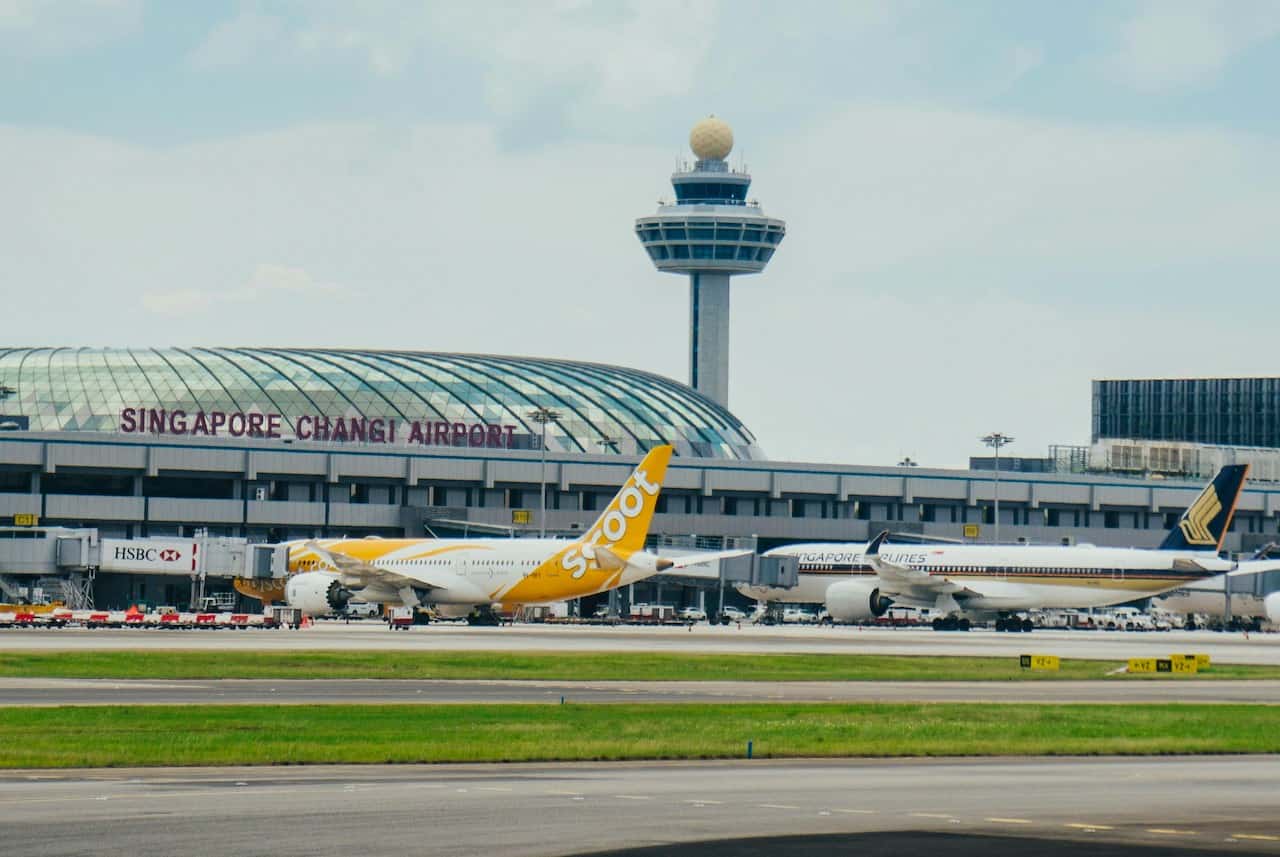
Singapore Changi Airport is consistently ranked as one of the best and most efficient airports in the world. Known for its "Changi Experience," the airport balances world-class amenities with rigorous security protocols to ensure passenger safety. Whether you are arriving, departing, or transiting, understanding the security rules is essential for a stress-free journey.
1. Preparing for Your Arrival in Singapore
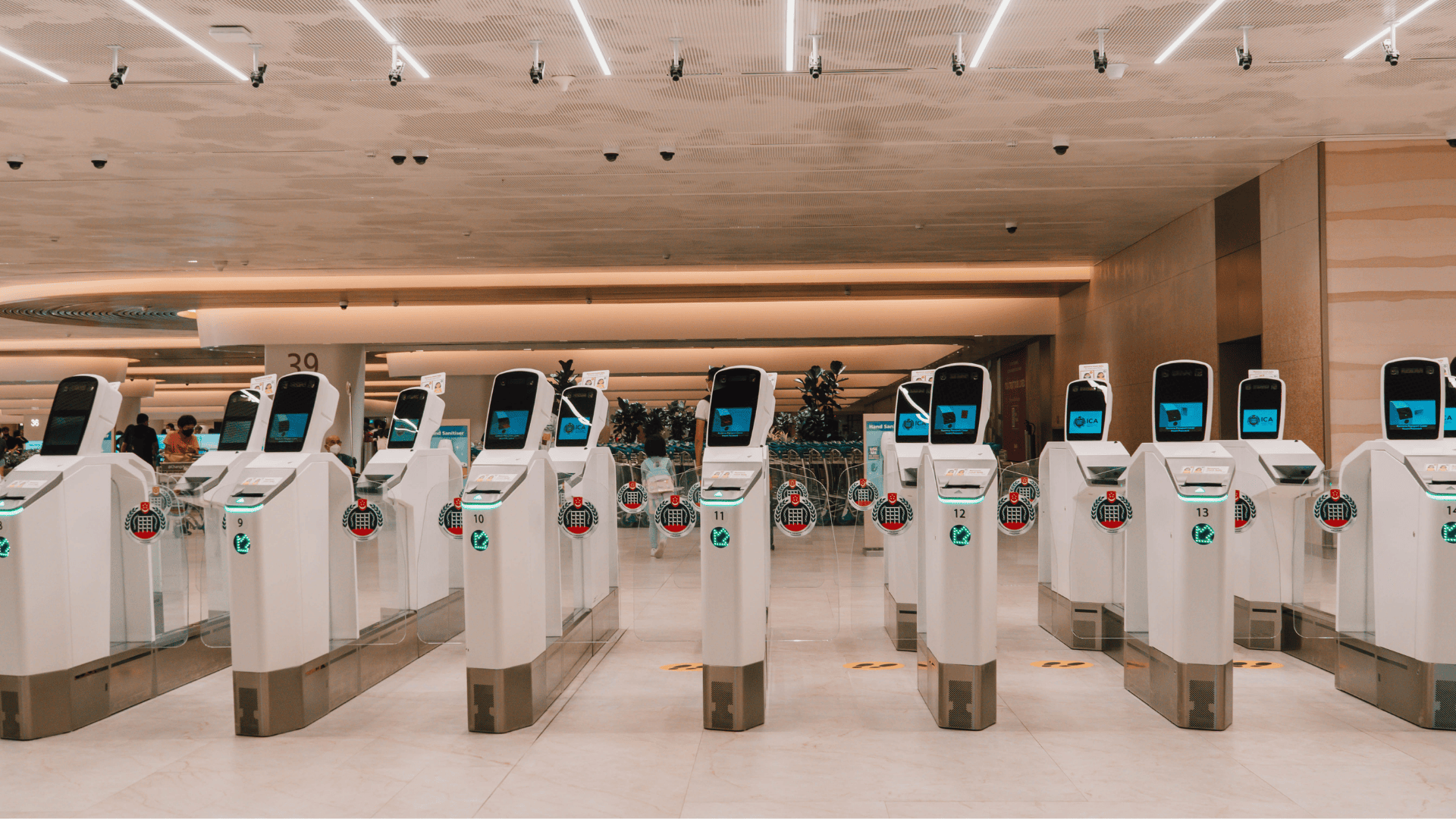
Before you even reach the security desk, all passengers, including Singapore citizens and foreign visitors must complete an electronic Health Declaration via the SG Arrival Card (SGAC) e-Service. This should be done before clearing immigration to ensure a smooth entry into the Lion City.
To ensure your entry into Singapore is as smooth as possible, we recommend using our professional Singapore Arrival Card assistance services to handle the paperwork for you.
2. The Liquid, Aerosol, and Gel (LAG) Rules
The rules for Liquids, Aerosols, and Gels (LAGs) were implemented globally to enhance aviation security. At Changi Airport, these restrictions apply specifically to cabin or carry-on baggage.
- The 100ml Limit: Individual containers for liquids, aerosols, or gels must not exceed 100ml (or 100g). Even if a container is only partially full (e.g., a 250ml bottle with only 50ml of liquid), it will not be permitted through security.
- The 1-Litre Bag: All 100ml containers must be placed in a single, transparent, re-sealable plastic bag. The total capacity of this bag must not exceed 1 litre.
- One Bag Per Person: Each passenger is allowed only one such transparent bag, which must be presented separately for examination at security checkpoints.
- Exemptions: Essential items such as baby food, breast milk (if traveling with an infant), and liquid medicines are exempt from the 100ml limit but must be declared to security staff.
Tip: You can bring an empty water bottle through security and refill it at the numerous water dispensers located within the transit area.
3. Prohibited and Restricted Items
Changi Airport maintains strict controls on items that could pose a safety or security risk. It is a criminal offense to carry prohibited weapons or dangerous goods.
- Sharp Objects and Weapons: Firearms (including replicas and toys), pointed/edged weapons, and sharp objects like multi-tool kits or scissors with blades longer than 6cm are strictly prohibited in carry-on bags.
- New Power Bank Rules: Effective from April 15, 2026, departing passengers are limited to carrying only two power banks per person. These must be carried in hand luggage, as they are prohibited in checked baggage.
- Vapes and E-Cigarettes: The possession and use of vapes or e-cigarettes are completely banned in Singapore. These items will be seized at security.
- Flammables and Chemicals: Items such as fireworks, flares, petrol, and strong chemicals are prohibited in both checked and carry-on luggage.
4. Understanding the Security Check Process
The security screening process varies depending on which terminal you are using:
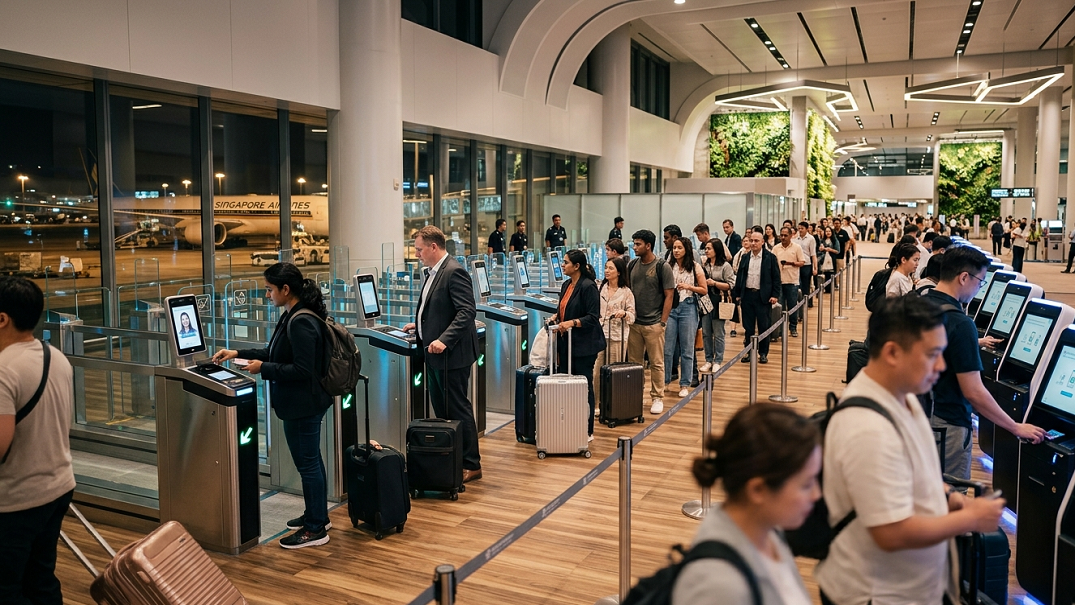
- Terminals 1, 2, and 3: Passenger security checks are conducted at the boarding gates. This means you should complete your shopping and dining before heading to your gate, as you will undergo screening just before boarding.
- Terminal 4: Screening is centralized and conducted immediately after departure immigration. T4 utilizes advanced computed tomography (CT) X-ray technology, which allows passengers to keep their laptops and tablets in their bags during screening.
Regardless of the terminal, you should be prepared to remove outerwear and metal accessories like belts or large jewelry.
5. Enhancing Your Changi Experience
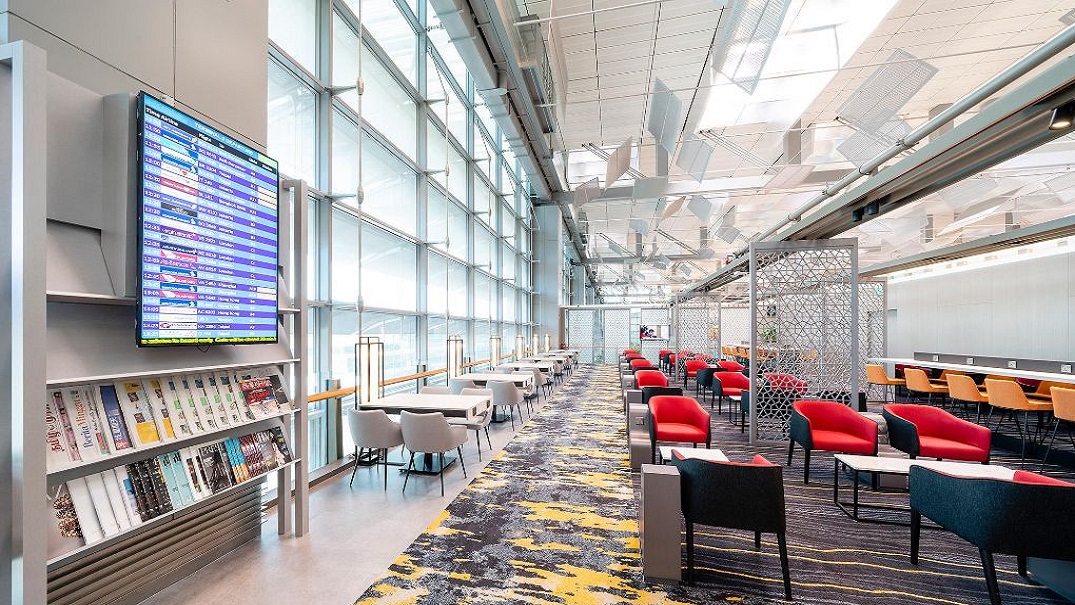
While security is a priority, Changi is designed to be a "theatre of experience". From the Heritage Zone in T4 to the world-class shopping in all terminals, there is plenty to do while waiting for your flight.
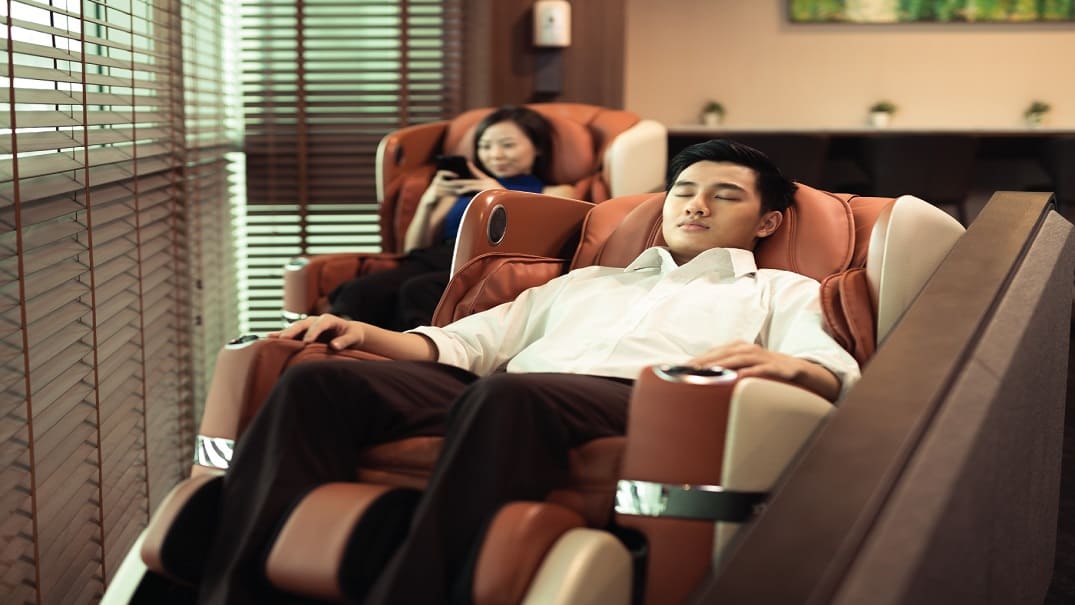
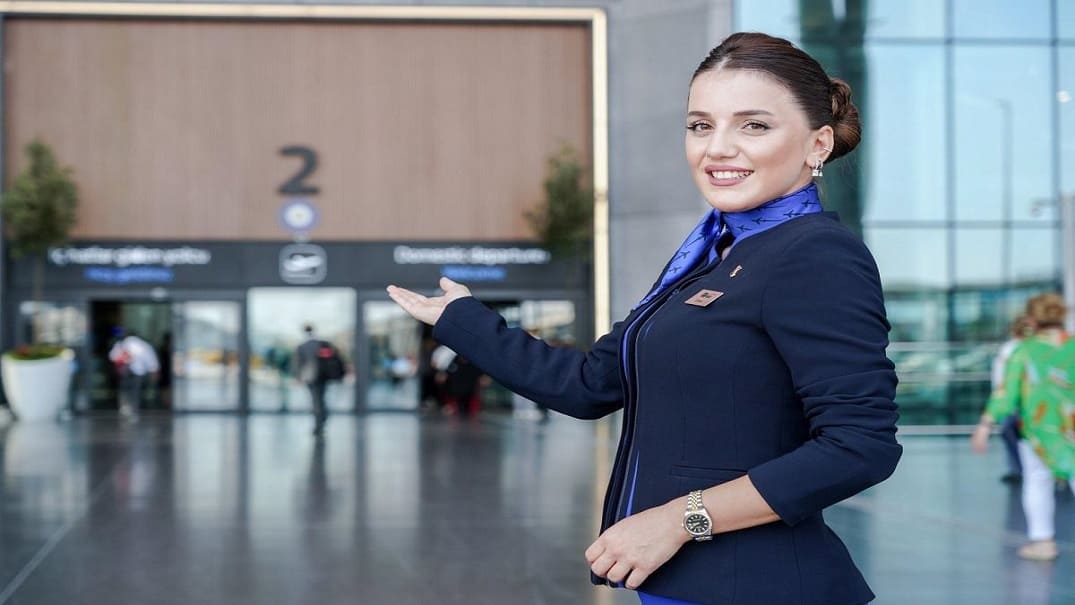
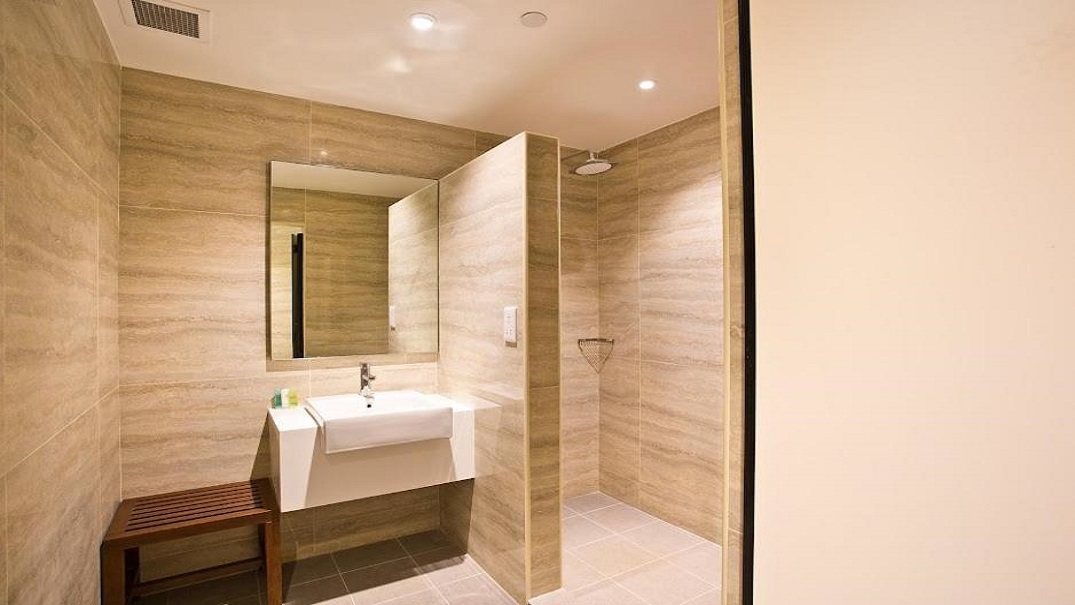
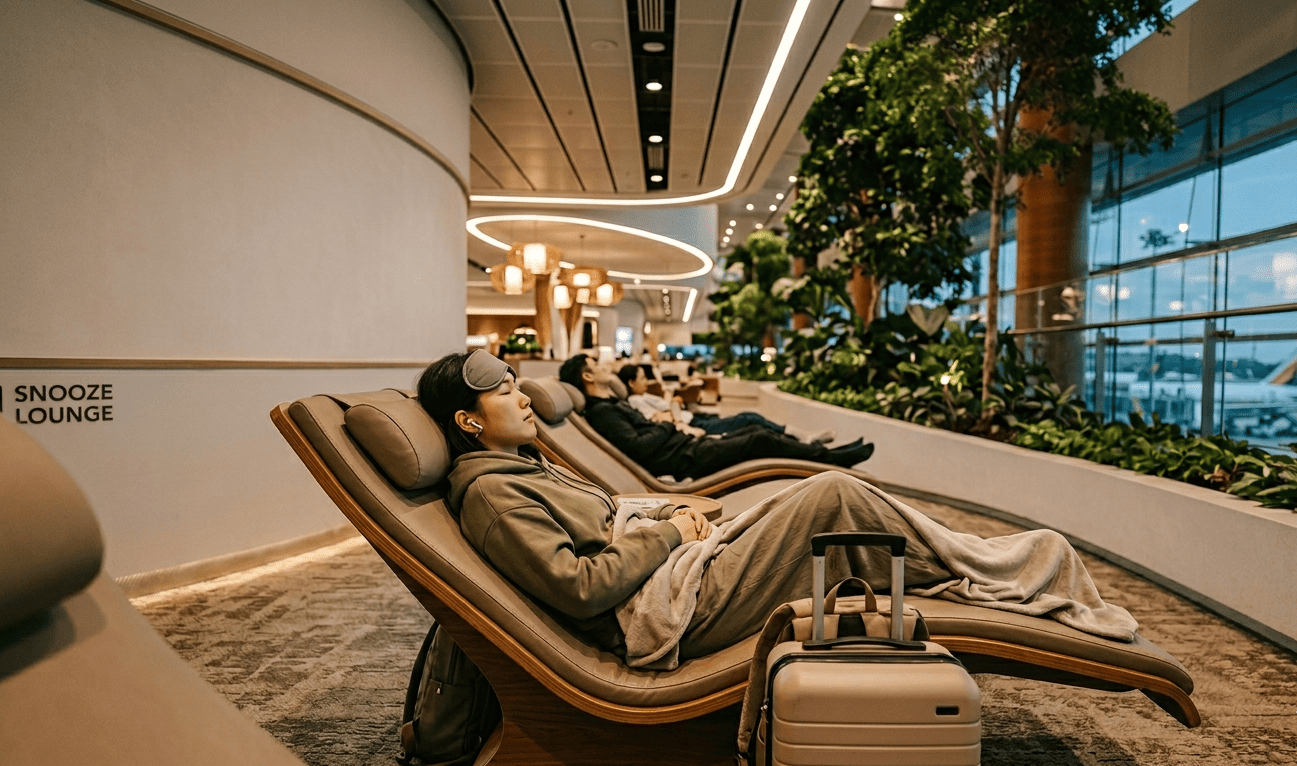
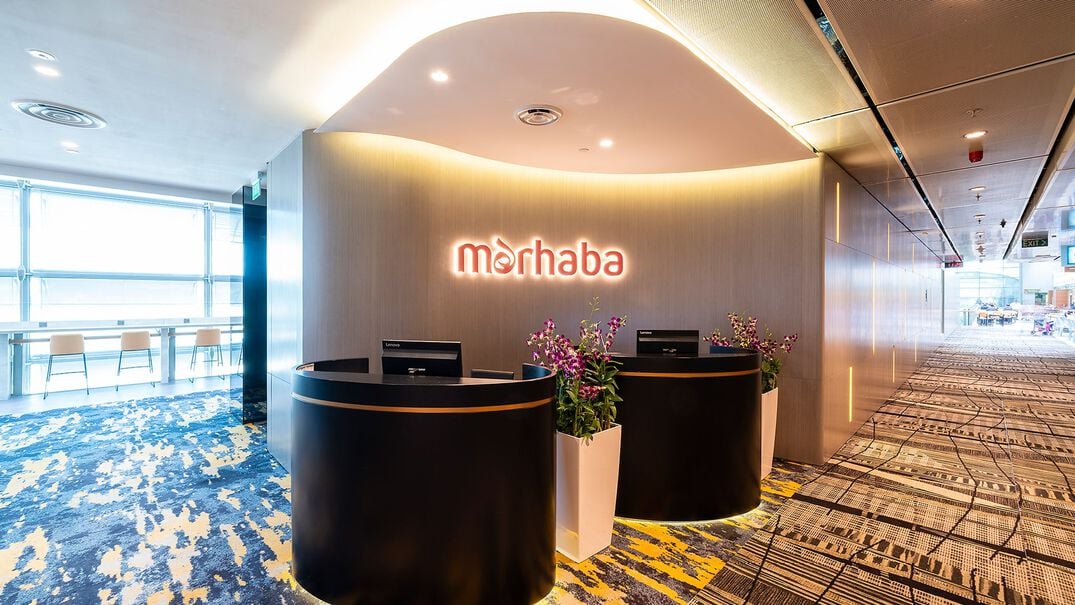
If you want to skip the queues and enjoy a seamless journey, our Meet and Greet services provide a personal escort through security and immigration. For those looking to relax in style, you can also book premium Lounge Access to enjoy snacks, showers, and a quiet space away from the crowds.
The Evolution of the "Changi Experience" and Security Integration
The architectural and operational evolution of Singapore Changi Airport is a testament to its commitment to staying ahead of global travel demands, a journey that began with the strategic move from Paya Lebar Airport in 1981. Since its inception, Changi has moved beyond being a mere functional waypoint, transforming instead into a "theatre of experience" where passenger comfort is prioritized alongside world-class efficiency. This culture of excellence is supported by a "ONE Changi" family of over 50,000 employees and 200 organizations working in unison to deliver seamless service. A cornerstone of this experience is the airport's unique approach to security, which varies significantly between terminals to accommodate different passenger flows. In the legacy Terminals 1, 2, and 3, security screening is traditionally decentralized, taking place at the individual boarding gates. While this model ensures rigorous checks at the final point of boarding, it requires passengers to manage their time carefully after browsing the extensive duty-free shops and gardens, as they must pass through screening before entering the gate-hold room. In contrast, Terminal 4 (T4) represents a "bold move" toward a centralized security model that serves as a test bed for the future Terminal 5. Located right after departure immigration, T4’s centralized screening utilizes advanced Computed Tomography (CT) technology. This allows travelers to keep electronics like laptops and tablets inside their bags, greatly reducing divestment stress and speeding up the overall process. This efficiency is further bolstered by the Fast and Seamless Travel (FAST) system, utilizing automated kiosks for check-in and bag drop that ensure a smooth journey from the kerbside to the aircraft. Ultimately, Changi integrates high-tech hardware with "heartware," ensuring that even mandatory safety protocols contribute to a journey that is both secure and positively surprising.
Navigating Global Safety Standards and Prohibited Items
Maintaining the safety of millions of travelers requires strict adherence to security protocols that address both global threats and technical hazards. The Liquid, Aerosol, and Gel (LAG) restrictions, for instance, were implemented worldwide following a 2006 attempt to use liquid explosives on aircraft. At Changi, the definition of LAGs is broad, encompassing items like perfumes, shower gels, mascara, hair sprays, and even canned foods with liquid content. All such items in carry-on luggage must be in containers of 100ml or less, and all containers must fit into a single, transparent, 1-litre re-sealable plastic bag. Security staff are strictly required to reject containers larger than 100ml, even if they are nearly empty, as the limit is based on the container’s stated capacity. Beyond liquids, the airport is introducing critical updates to battery safety. Starting April 15, 2026, all departing passengers are limited to carrying a maximum of two power banks per person, which must be kept in hand luggage. Lithium batteries are classified as dangerous goods because they can overheat or short-circuit, posing a fire risk that is particularly hazardous in the cargo hold. Passengers are even encouraged to protect battery terminals using original packaging or tape to prevent accidental short circuits during the flight. Additionally, Changi enforces a comprehensive list of prohibited items, ranging from firearm replicas and toys to sharp objects like scissors with blades over 6cm, and hazardous materials such as flares, strong chemicals, or pepper sprays. While duty-free purchases exceeding 100ml are protected by Sealed Tamper-Evident Bags (STEBs), travelers transiting to the United States or Australia must verify destination-specific rules, as secondary screening at those ports may not recognize certain bags. Understanding these rules is vital, as non-compliance can lead to seizure, fines, or prosecution under Singapore’s strict safety regulations.
Frequently Asked Questions (FAQ)
1. How early should I arrive at Changi Airport for security?
It is recommended to arrive at least 2 hours before domestic/regional flights and 3 hours before international flights to account for security and immigration queues.
2. Can I bring liquids purchased at duty-free on my flight?
Yes, LAGs purchased in the transit area that exceed 100ml must be placed in a Sealed Tamper-Evident Bag (STEB) with the receipt clearly displayed.
3. Do I need to remove my laptop from my bag at security?
In Terminals 1, 2, and 3, you typically need to remove electronics. However, in Terminal 4, CT technology allows you to keep laptops and tablets in your bag.
4. Are vapes allowed if they are for personal use?
No. Vapes and e-cigarettes are strictly prohibited in Singapore and will be confiscated.
5. What happens if I bring more than two power banks?
From April 15, 2026, any power banks exceeding the two-unit limit must be disposed of before boarding.
6. Is there a priority lane for security?
Yes, Changi offers Care@Changi Priority Lanes for expectant mothers, passengers with infants, and those with reduced mobility.
7. Can I bring a reusable water bottle?
Yes, as long as it is empty when you go through the security scanner.
8. Are self-defense sprays like pepper spray allowed?
No, pepper spray and other noxious substances are considered prohibited items and are not allowed.
9. How long does the security check usually take?
Under normal circumstances, security checks take between 5 to 20 minutes.
10. Do I need to submit an arrival card if I am only transiting?
Only if you intend to clear immigration to enter Singapore during your layover. If you stay in the transit area, it is generally not required.